See it before it peaks.
Live performance taught me to read movement, expression, and energy early enough to photograph the moment rather than chase it.
About Eric
I am a Birmingham-based photographer and filmmaker. My work sits between observation and direction: knowing when to let a moment unfold, and when a little guidance will make the photograph stronger.
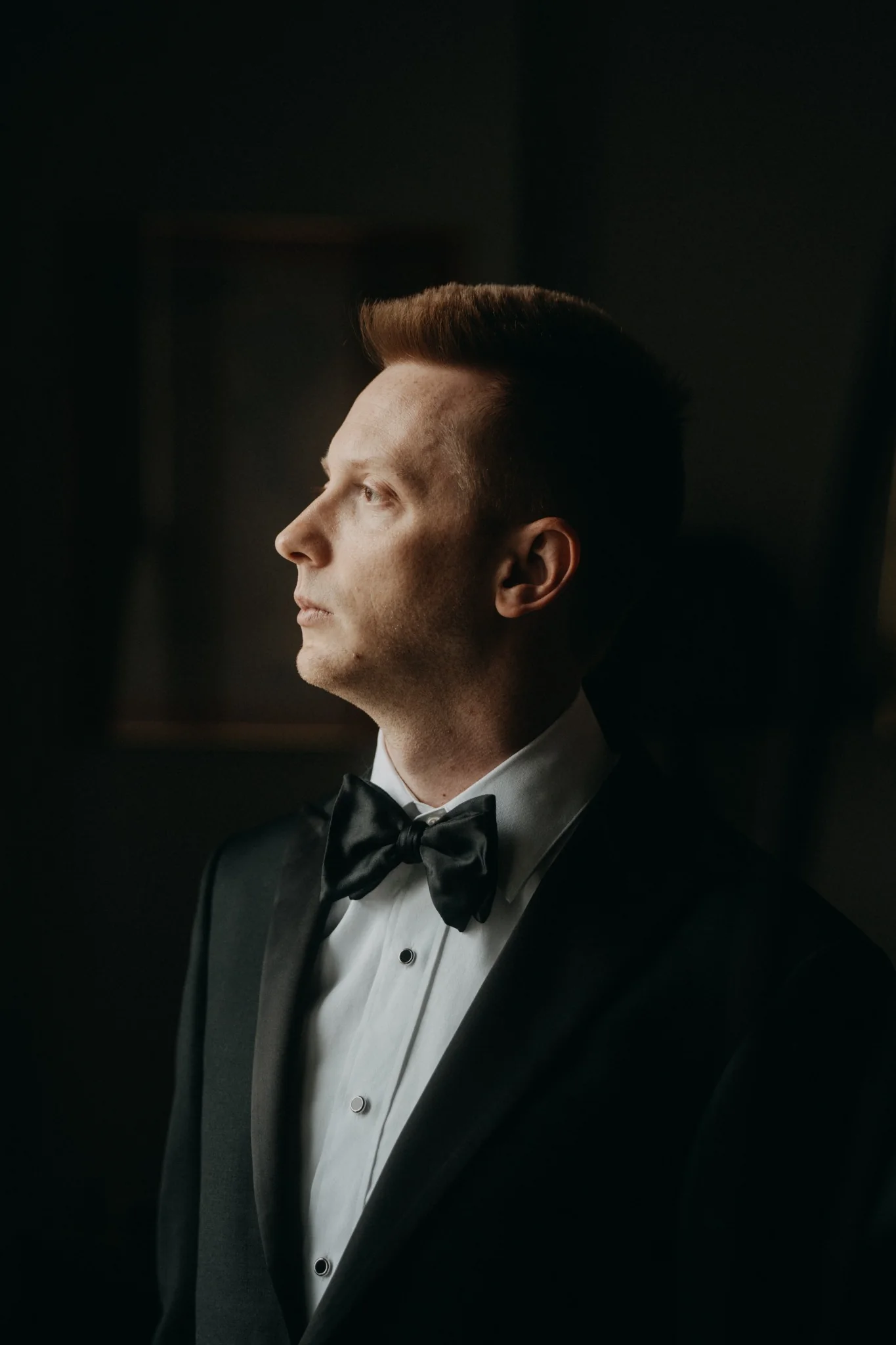
Behind the camera
Live performance trained me to notice the small things early—the shift in posture, the glance before a reaction, the moment movement is about to peak. That instinct carries directly into weddings, where the most important moments rarely wait for anyone to be ready.
Studio portraiture taught me the other side of the equation: how small changes in light, posture, hands, and movement can turn a good portrait into one that feels polished without feeling overworked.
On a wedding day, I use both approaches. I can step in with clear direction when portraits need structure, then get out of the way when the real moment is already happening.
I have photographed weddings as both a lead and second photographer, alongside years of work in ballet, live events, portraiture, filmmaking, and motorsports. The value of that background is not the résumé—it is being able to stay calm, make decisions quickly, and keep the visual standard consistent when the day changes course.
What I want for my clients is simple: photographs with presence and longevity, made without turning the wedding into a production for the camera.
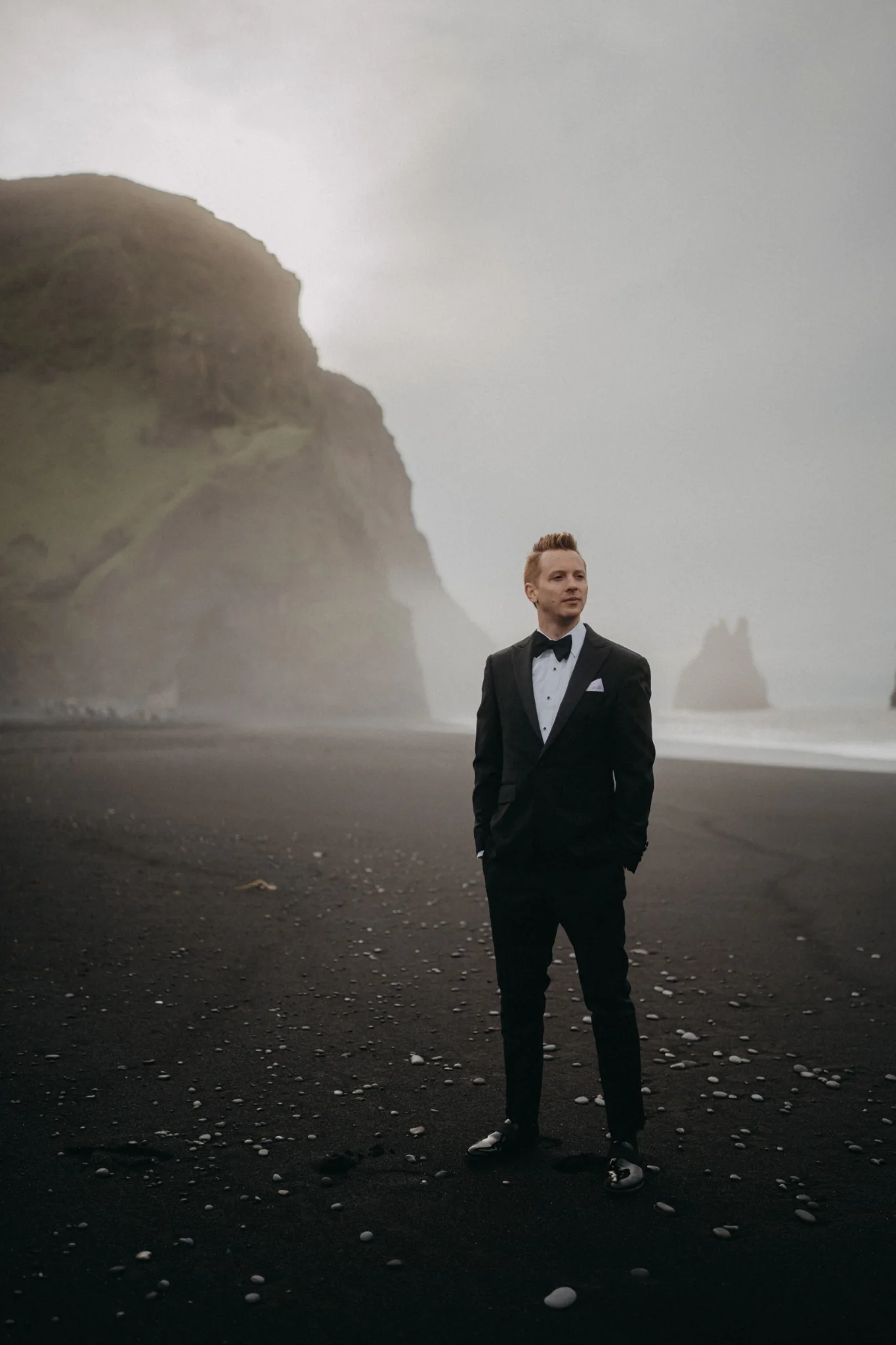
Home in Birmingham · curious everywhere else
Travel is part of how I stay visually awake. I am drawn to unfamiliar environments because they force better questions: What does the light do here? What belongs in the frame? What could only be photographed in this place?
My wife and I spent a week driving Iceland's Ring Road before choosing Reynisfjara for post-wedding portraits. That experience reinforced what I want from destination work: not scenery added behind familiar photographs, but images shaped by weather, terrain, movement, and the character of the location itself.
Live performance taught me to read movement, expression, and energy early enough to photograph the moment rather than chase it.
Precise guidance with hands, posture, light, and movement—without making the experience feel like a long posing exercise.
Fast-moving events, difficult light, travel, weather, and unfamiliar environments are problems to solve, not reasons to lower the visual standard.
A good fit matters
The first conversation is used to understand the wedding, not to pressure you into a decision.